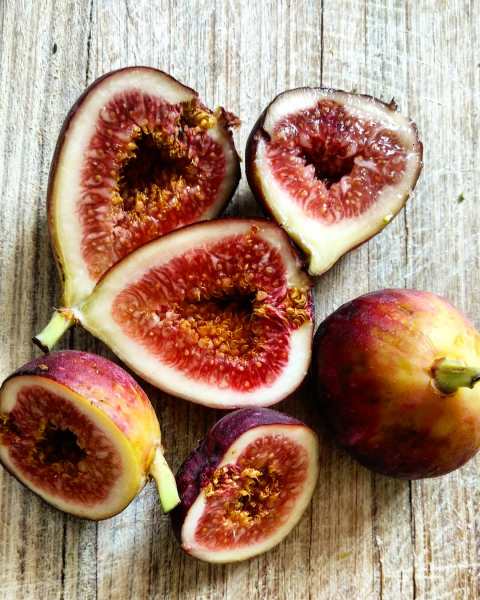
Are you Freezing your eggs?

Are you thinking of freezing your eggs?


Freezing eggs is a way of storing unfertilised eggs to use later in life, it’s a way of preserving fertility. Whilst it’s not a guarantee to always end in a baby later in life, it is a chance to preserve frozen eggs that are a younger cellular age and will have a better potential for creating an embryo when you are older. 

There are many reasons why women choose to do this ranging from not being in the right circumstances at the right age to have a child, to medical reasons. Egg freezing can be a wonderful tool to put someone’s mind at ease knowing they have ageless eggs waiting, but how good are those eggs?

They are only as good as the health you have when you collect them.

Your health at the time of collection influences the quality of your eggs, and what they carry on to the child. It takes roughly 100 days for a follicle to mature in the ovary to then release as an egg. In this time exposure to the right nutrients and avoidance of toxins can have a big influence on that egg.

Research shows us that those with low folate, zinc, B vitamins and other nutrients have poorer egg collection and quality than those with the optimum levels. Not only do these nutrients influence egg quality, but they influence hormones, your nervous system, and many other aspects of your health.

Lifestyle factor such as poor sleep and sleeping patterns have also shown to yield poorer results with egg collection and quality, as have those with exposure to certain toxicants.

If you are going to freeze your eggs, you want to make sure they are the best quality that you can possibly have, so not only will you have a better collection but also a higher chance of creating a healthy embryo with that egg.

What are the first steps for egg freezing preparation?

– Full health assessment that includes your diet and lifestyle

– Diagnostics for nutritional deficiencies and hormone levels

– Digestion and gut health should also be assessed to ensure you can absorb your nutrients

– Ideally allow 3 months cellular regeneration and to absorb any nutrients you may need to top up on for your eggs to be at their best.

A question I get asked all the time, can egg quality change? Research shows certain supplements and diets clearly can make a big change in egg quality; the benefits usually take 3 -4 months of making the changes. In my experience I see changes all the time in egg quality in my patients, and it is worth the wait.

What can you do today to start preparing?

– Begin a healthy diet, high in many different vegetables and adequate levels of fruits; especially those that contain antioxidants such as anthocyanin and ellagic acid. Vegetables and fruits like beetroot, blueberries, blackberries, raspberries, purple carrots, cherries, pomegranates, and purple cabbage.

– Ensure adequate levels of Omega 3’s – deep sea small fish such as sardines, mackerel, trout and anchovies. Or to a lesser degree, Avocado, chia seeds and fresh nuts and seeds.

– Avoid as many processed foods as possible – higher intake of processed foods has been linked with poorer hormone balance, poorer IVF outcomes.

– Drink at least 1.5 litres a day of filtered water to help with day-to-day cellular detox.

– Try to get into a good sleep pattern for your individual needs

– Address any known nutrient deficiencies now, it usually takes 3 months to make the difference!

To book into have your health assessed for optimal egg support or optimal fertility support get in contact below.

← Back

Thank you for your response. ✨

Time

Do you have post-natal depletion?

Do you have post-natal depletion ?The 4th trimester as its often called, can be a rollercoaster of a ride. It comes with many highs and lows, and always comes with some level of physical depletion, after all 9 months of growing a tiny human takes nutrients and energy! This recently coined post-natal depletion syndrome needs to be addressed and supported carefully in the 4th trimester, not doing so can lead to depletion that lasts longer than 4 months and in some can last for years !

Post natal depletion syndrome is a collection of health issues including deep fatigue, feelings of overwhelm, anxiety, hypervigilance, noise and sound sensitivity, hair loss, dental issues, sleep issues (apart from a crying child waking you) and aggravation of any inflammatory conditions such as thyroid disease or autoimmune disorders.

A lot of these symptoms have corresponding deep routed mineral or vitamin deficiencies and can indicate hormonal issues or thyroid imbalances from pregnancy and or stress.

Why does this happen?

It may seem obvious to most mums but just to clarify and validate, growing a baby does take many nutrients and demands many physical changes of a mum. One example is the intense need for fatty acids in pregnancy. A babies need for DHA fats is high in utero and a mother will transfer approximately 7 gm daily to her baby, and up to 50mg by the 3rd trimester. This can leave a mother with less-than-ideal levels to run her own hormones, nervous system, skin, hair, breast milk production and cellular function.

Research had shown that a woman’s brain is rewired significantly to connect and bond with her baby post-partum, areas of her brain actually shrink whilst other areas develop. All these changes require generous amounts of the right nutrients, and optimal gut absorption of your food get the nutrients. Often supplementation is needed to keep up with the demands.

The most common issues I see in practice are – severe deficiency in minerals such as magnesium or iron.

Iron depletion can lead to poor milk supply, depressed mood, exhaustion, thyroid dysfunction, insomnia, brain fog, restless legs, hair loss, anxiety, depressed immune function and more. 

Magnesium deficiency has been linked to post-natal depression, fatigue, poor sleep (not able to fall asleep even when you child is a sleep!), poor milk supply, anxiety, headaches muscle cramps and the list goes on.

If you feel you are suffering with post natal depletion or if you are about to enter the 4th trimester then take note of these tips to keep on top of your health.

Tips to begin your recovery

  • Get a full health check with your naturopath to determine your areas of deficiency, what impacts it is having on your health and emotions so you can plan your road to optimal health.
  • As a minimum check your iron, thyroid, zinc, b12, vitamin D, with blood tests. Hot tip -Ensure that you are asking for iron studies to check your iron status.This is a thorough assessment of your iron, as iron deficiency is the most common deficiency in women post-partum, and is often missed if only the ferritin blood test is performed.
  • Eat good quality protein – free range or organic meat, deep sea fish, eggs and nuts and seeds, legumes. This will help with your energy and nutrient intake.
  • Omega 3’s sources – Deep sea fish, avocado, fresh nuts and seeds for your nervous system recovery.
  • Highly nutrient dense foods such as – broccoli, beetroot, Brussel sprouts, raspberries, blueberries.
  • Consider herbs that can aid in recovery such as withania – note these are only useful in certain circumstances and at the right doses. They are best prescribed by your naturopath.
  • Supplement where needed – if your diet is often lacking – too busy, too tired too cook etc, then see me for the supplements that can get you through this period of time.

Remember most importantly that recovery from birth and 9months of pregnancy takes time, don’t push your self too soon, rest when you can and always get support with your health nutritionally, emotionally and physically.

PMS, what your body is trying to tell you.

Is your PMS telling you something?

Feeling exhausted, bloated, emotional, crampy, food cravings, breast tenderness, irritable, fluid retention, restless, sleepless and more during the days or weeks leading up to your period? You are not alone 90% of women in Australia have reported at least 1 symptom of the above, with 50% reporting 5, but its also not normal to have excessive symptoms. PMS symptoms point to specific nutrient deficiencies and hormonal imbalances, and can act as a road map to your nutrient needs particularly in that phase of your cycle.

Here are just a few of the nutrient deficiencies I see commonly –

Not getting enough magnesium can lead to – pain and cramping, emotional distress, irritability, food cravings, fluid retention, headaches/ migraine, restless sleep and hot flashes.

Not getting enough B6 (and all the b vitamin family) can lead to  – poor energy, flat mood, irritability, brain fog, teariness, exhaustion.

Low Zinc levels can lead to – pain, food cravings, monthly acne, emotional changes

Low Iron levels can lead to – extreme fatigue before and during a bleed, changes in appetite, brain fog, migraines.

Low levels of Omega 3 fats can lead to – acne, pain and cramping, headaches.

Hormonal imbalances are usually present as well, the most commonly known being an estrogen dominant picture, which can partly be helped by mineral and vitamin replenishment but may need further help through herbal support. PMS symptoms can be helped with specific herbs such as vitex, peony, shatavari etc. but herbs need to be chosen on an individual basis depending on symptoms and the person, there is no one size fits all with herbs. 

Diet and lifestyle hacks to stop your PMS.

Avoid excess sugar/processed foods: Excess sugar, salt, unhealthy fats, caffeine or alcohol, grains and bakery products, dairy products; especially in the last 2 weeks of your cycle. 

Eat more: Eat mainly Vegetables, especially green brassicas ( broccoli, brussels sprouts, kale, chard, cabbage), good fats (deep sea fish, olive oil, flaxseed oil, avocado), moderate amounts of quality protein with each meal (eggs, fish, nuts and seeds, good cuts of quality meat – organic, free range or pasture fed meat, wild caught game meats).

Do more: exercise is one of the best ways to stop PMS, circulation and lymphatic movement has been found to help pain, mood, water retention and bloating.

Want to get in control of your PMS? To get a good assessment of your nutrient needs and your hormonal balance get in contact.

Are your eggs healthy? How to improve your egg quality.

Egg quality is something that most couples going through IVF will have heard about. Its one of the most important aspects of fertility and it has been thought to be the difference between conceiving and infertility. Egg quality was something that was largely thought to be set from birth, and that nothing could influence it. We of course know better now.

Research has for the last few years now shown that certain antioxidants can change an aging egg to become more viable in IVF and for natural fertility too. The most famous of these is CoQ10, which has been noted in many studies to not only improve egg quality but restores post ovulatory aging, improves oocyte maturation to ovulation, helps fertilisation capacity and reduces stress induced DNA damage. If that sounds too technical the short version of it is that it does improve your chances of conceiving even in older women and can help turn back the clock on your eggs. Vitamin E, vitamin C, L-arginine, Inositol and Omega3’s and others are also linked with better egg quality and fertility outcomes.

Getting the right antioxidant and the right dose for your personal needs is the hard part: this can depend on age, your methylation requirements and your natural detoxification abilities (how well your gut, liver and bowels work). Coq10 and all the others won’t be of any use, though, if you are not looking after your health in general. Equally as important as antioxidants are

  • Hormonal balance – especially for older women
  • Proper blood flow and circulation through the whole body but specifically the pelvis,
  • A nutrient dense anti inflammatory diet
  • A managed stress environment
  • Correcting vitamin and mineral intake for ovulation

One of the most common misunderstandings about egg quality is that it also takes 90 days for an egg to reach proper maturity to be used in ovulation. So any antioxidants or measures taken to increase egg quality will take a minimum of 90 days to have the full impact. This shouldn’t put you off making the changes and taking the supplements, but remember – optimum health takes time and needs patience.

Piecing together the whole health puzzle is what gets results in the end. For help with your own health puzzle, contact me to find out more.

Post pregnancy fatigue

IMG_20180215_142828_415

Have you heard yourself say “ever since having children I haven’t felt the same” ? Or felt like “I just want to feel normal again”? After having children it’s very common to be depleted in many vitamins, minerals and nutrients and more common that it’s never addressed. Too often women don’t have the time needed to address their own health, well being and state of mind as our lives are so busy and complicated. Being tired and fatigued are symptoms of something going awry with your health and are not “normal” and I’m here to tell you it doesn’t have to be that way.

Did you know that simple nutrient deficiencies can cause fatigue such as vitamin D deficiency? Or that the foggy brain feeling in the afternoon can be due to low iron, magnesium or B-vitamins? These are all nutrients your body needs in great amounts to build a baby and to breastfeed them as well so its understandable that your low in them now. Certain hormonal issues such as PCOS, endometriosis or thyroid imbalances can also cause fatigue. There are things that can be done to bring your health back into balance and increase your energy, whilst fitting into your busy routine.

My quick tips for hormonal health and energy support – 

Try eating a diet that is highest in vegetables, with adequate protein sources (meat or if vegetarian – eggs, nuts/seeds, some soy products, legumes) at least twice a day and lower in grains. This provides a nutrient dense diet to support your vitamin and mineral needs.

Avoid coffee where possible – if you drink coffee it might come as a surprise that it actually robs you of long term energy. Its great on the short term but it has a rebound like effect that actually depletes your body of all the wonderful vitamins such as B-vitamins and makes you more tired in the long run.

Get your vitamin needs assessed by a naturopath and supplement accordingly – most likely you’ll need a B-Vitamin complex, Magnesium, vitamin D, possibly iron, but everyone is different so its important to be assessed by a professional.

Get your regular standard blood tests done every 12 months, 6 monthly if you have a known deficiency in something such as vitamin D. When your pregnant and breastfeeding nutrient levels can change very quickly and if left for too long without investigation your fatigue can get out of hand.

Nettle root tea- is a wonderful nutritious herb that is high in a lot of minerals that pregnant mums and new mums need, so swap out that afternoon tea for a nettle root tea.