
Healthy Sperm – it takes two

As more is understood about epigenetics the importance of mens health prior to conception is now undeniable. Research has shown that Mens health influences their sperm quality and the health of their future children, and interestingly the health of their children’s children. Its even been noted that it can influence the baby’s health in utero. Add into this, research showing there is currently a global decline in sperm health by 50% across Europe, America, Australia, and New Zealand, affecting fertility worldwide. So its time for men to start some self care, to look into what they may be doing that is affecting their sperm health and start making changes. Lifestyle and diet changes can help make healthier babies and should be part of everyone’s plans when thinking about having a baby. 

Some of what we know so far about the impact of mens health on their future children – 

Exposure or health issue in men Increased risk in offspring
Folate deficiencybirth defects in offspring, higher chances of pregnancy loss in the mother, reduced chances of conceiving
Obesity obesity, insulin resistance and subfertility in offspring,
Smoking congenital malformations, childhood cancer risks and obesity in offspring.   
Alcohol intakeheart defects, hyperactivity and poor cognitive ability in offspring. 
Endocrine disrupting chemicals exposure preeclampsia in the carrying mother, preterm birth and testicular malformations in male babies and PCOS and endometriosis in female babies
Increased age schizophrenia, autism, birth defects in offspring.

For a comprehensive preconception plan designed specifically for you and your partner get in contact.

Depression is on the rise in pregnant women. Are we supporting our women enough?

pregnant woman in white dress shirt
Photo by Pixabay on Pexels.com

Depression in pregnancy is on the rise according to a new study that involved 2 generations of women. The article states that negative effects of depression and anxiety can be transferred from mother to child in ways that science is only just beginning to understand and calls for help to stop this cycle.

Do we support our women enough through pregnancy? There are ways to help with depression and anxiety through pregnancy that are safe and effective from specific probiotics and supplements to diet support. Just this year an article concluded that specific strains for probiotics were a safe and effective way to treat postnatal depression and depression during pregnancy. Having the right mix of gut bacteria it seems is the key to overall health and this is no exception in pregnancy.

On a similar strain diet alone has been found to alleviate depression, this is massive! A diet low in processed foods, low in sugar, low in red meat and high in vegetables, good fats and oils and good quality sources of protein was found to alleviate depression.

There are also herbs and vitamins safe to take in pregnancy that are associated with combating depression and anxiety. These should be prescribed individually for the greatest results.

 Lets stop the cycle. If you or anyone you know is suffering during pregnancy with depression or anxiety or if you are planning a baby I highly recommend getting some advice. You can see me in clinic at Merge Health, Surrey Hills.


R.M. Pearson et al. Prevalence of prenatal depression symptoms among 2 generations of pregnant mothers. JAMA Network Open. Published online July 13, 2018. doi: 10.1001/jamanetw


Post pregnancy fatigue

IMG_20180215_142828_415

Have you heard yourself say “ever since having children I haven’t felt the same” ? Or felt like “I just want to feel normal again”? After having children it’s very common to be depleted in many vitamins, minerals and nutrients and more common that it’s never addressed. Too often women don’t have the time needed to address their own health, well being and state of mind as our lives are so busy and complicated. Being tired and fatigued are symptoms of something going awry with your health and are not “normal” and I’m here to tell you it doesn’t have to be that way.

Did you know that simple nutrient deficiencies can cause fatigue such as vitamin D deficiency? Or that the foggy brain feeling in the afternoon can be due to low iron, magnesium or B-vitamins? These are all nutrients your body needs in great amounts to build a baby and to breastfeed them as well so its understandable that your low in them now. Certain hormonal issues such as PCOS, endometriosis or thyroid imbalances can also cause fatigue. There are things that can be done to bring your health back into balance and increase your energy, whilst fitting into your busy routine.

My quick tips for hormonal health and energy support – 

Try eating a diet that is highest in vegetables, with adequate protein sources (meat or if vegetarian – eggs, nuts/seeds, some soy products, legumes) at least twice a day and lower in grains. This provides a nutrient dense diet to support your vitamin and mineral needs.

Avoid coffee where possible – if you drink coffee it might come as a surprise that it actually robs you of long term energy. Its great on the short term but it has a rebound like effect that actually depletes your body of all the wonderful vitamins such as B-vitamins and makes you more tired in the long run.

Get your vitamin needs assessed by a naturopath and supplement accordingly – most likely you’ll need a B-Vitamin complex, Magnesium, vitamin D, possibly iron, but everyone is different so its important to be assessed by a professional.

Get your regular standard blood tests done every 12 months, 6 monthly if you have a known deficiency in something such as vitamin D. When your pregnant and breastfeeding nutrient levels can change very quickly and if left for too long without investigation your fatigue can get out of hand.

Nettle root tea- is a wonderful nutritious herb that is high in a lot of minerals that pregnant mums and new mums need, so swap out that afternoon tea for a nettle root tea.

Top 5 fertility “superfoods”

blueberries

The number one questions I’m always asked in clinic from women struggling with conceiving is what foods should I be eating more of? Well diet is a complex issue and it needs to be tackled on a holistic front but there are certain foods that increasing in your diet can help your body better perform the processes it needs to conceive, the top 5 list includes –

  1. Salmon – fantastic source of omega 3’s and quality protein to help reduce inflammation, reduce any underlying insulin resistance and a source of good amino acids for hormone production.
  2. Eggs – HIgh in vitamin D, E, zinc and a great source of protein. These nutrients are all essential for conception and hormonal support.
  3. Spinach – high in antioxidants, folate and B vitamins.
  4. Pumpkin seeds – A natural source of zinc, magnesium, and antioxidants. Zinc being particularly important for egg maturation and ovarian health
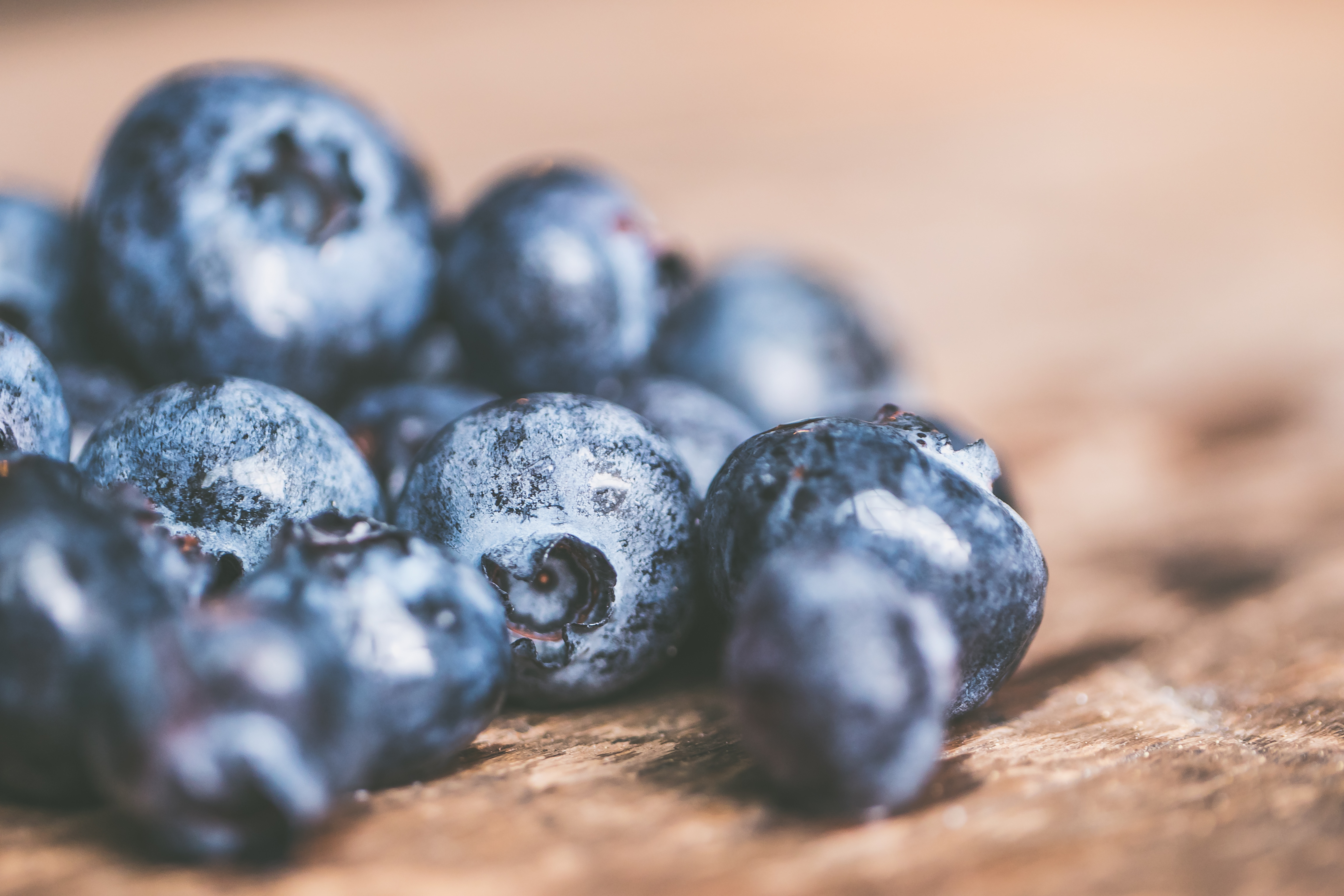
  5. Blueberries – a powerhouse of antioxidants and vitamin C

These foods are fantastic for antioxidant purposes, for increasing your fertility specific vitamin and minerals intake such as zinc, vitamin D, vitamin C and folate and will all help to naturally conceive. However no amount of blueberries and pumpkin seeds will balance out the consequences of a junk food diet that consists of soft drinks and takeaway. So you need to have the building blocks first to ensure your getting basic nutrition such as protein, vegetables and good oils. Finding it hard to make sustainable changes to your dietary routine? There are ways to help you make changes that will stick with your diet. Come in and see me at Merge Health wellness hub to discuss it further.


10 easy tips to a healthy natural fertility

Fertility_heart-feet-hands-2w1y4owgc95u8zk7r26ux6

Here is a cheat sheet that I have compiled for the top 10 tips to help your natural fertility

1) Eat adequate amounts of protein, avoid excess sugar.
Blood sugar regulation is the key to a healthy life, in particular though it is very important for hormone regulation, weight management, and increased fertility for both men & women. Blood sugar balance is of course important for a healthy pregnancy and for your babys future health as well.

2) Exercise daily and maintain healthy weight
Aim for 30-60 mins physical activity every day for weight control. Maintaining a healthy weight can be difficult and is often connected to emotions for many people. If this is the case for you, see your Naturopath for easy ideas and support.

3) Avoid tobacco, alcohol & caffeine.
There is strong scientific & clinical evidence that these all negatively impact fertility and long term health outcomes for your future children. A new study even links smoking in mothers to having an increased chance of autism in a child. Quitting these things is not easy and in most cases will be emotionally driven, so for quitting plans and support best to see your Naturopath.

4) Eat a diet, high in vegetables.
Consume adequate amounts of vegetables and fruit everyday to ensure you are getting enough antioxidants to support egg and sperm quality. After all; your eggs and sperm can only be as good as the nutrients you eat to build them!

5) Consume good quality fats
Eat good quality fats daily, such as avocado, ghee, coconut oil, fatty fish, cold pressed extra virgin oils such as olive, walnut, sesame. Avoid bad fats, such as trans fats; margarines, canola oil and any hydrogenated fats. Good quality fat consumption is directly linked to not only good fertility in couples but also better success rates in IVF.

6) Stay hydrated
Drink 2 litres of filtered water daily from a BPA free (plastic free) water source for assistance in detoxification and prevention of dehydration.

7) Sleep deeply
Get a good amount of hours of sleep per night and ensure your involve yourself in stress reducing activities just before bed such as reading or meditation. Avoid screens just before bed as it has been shown to increase the time it takes to fall asleep, and possibly the quality of sleep.

8) Stress less
Ensure you engage in at least one stress reducing activity per day, its is easier said than done but you will feel better after it! Some ideas for those who find this hard ; yoga, meditation, reading, walking, swimming or catching up with friends.

9) Reduce radiation exposure – Don’t carry mobile phones in your pocket!
Mobile phone radiation in particular has been found to reduce sperm count in men, there is also new research suggesting it may also affect sperm morphology. Keep that phone away from your testicles and ovaries at all costs!

10) Take appropriate supplements.
Consult with your Naturopath to work out a supplementation program that supports your personal issues with fertility. Getting the right folate and tailoring a nutrient program to support any deficiencies is essential for those trying to conceive and the health of your baby.

Confused about what fats are good for fertility ? Or if your deficient in any nutrients? Book a consultation to talk it through.